
Designing My Next Chapter, Spotlighting Marcia Ballinger
July, 2026
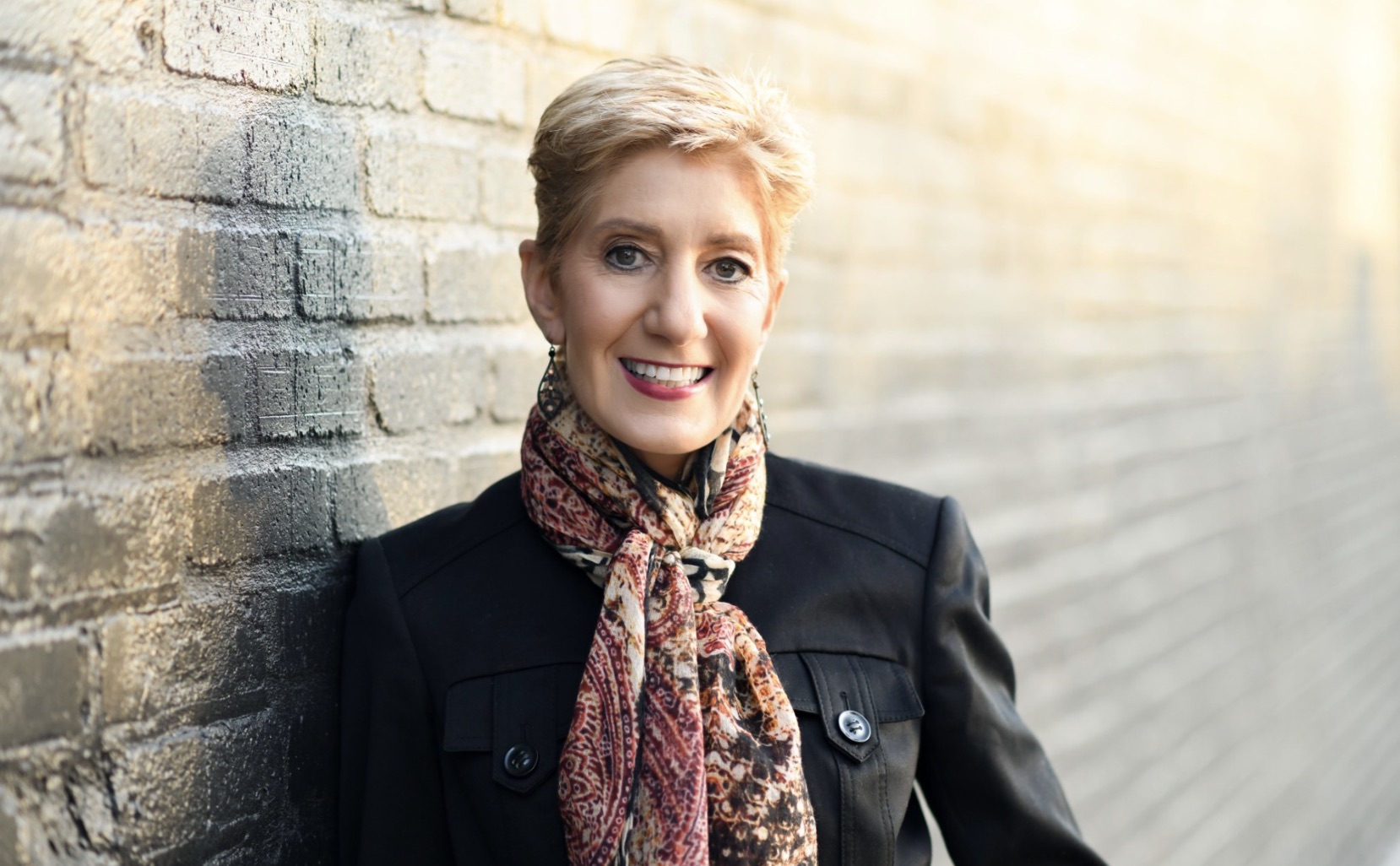
I started thinking about retirement almost as soon as Lars Leafblad and I founded our executive search firm, Ballinger|Leafblad in 2014. With a significant age difference between us, we knew there would come a time when I would gradually step away from the firm while Lars remained. We talked honestly and frequently about how we would manage that transition, and I began planning for retirement around my 62nd birthday.
Like many people, I didn’t know what I didn’t know. My coach George Dow guided me through a three-year process that took me from thinking about retirement in the abstract, to better understanding myself, to setting a direction–through trials and errors–to a portfolio life that I envision as a happy and permanent state.
I now define my portfolio life as a combination of meaningful work, learning, service, good health, personal pursuits and leisure that feels both rewarding and sustainable.
One of the first steps was completing several assessments provided by George. These assessments helped me better understand my strengths, preferences, and style. They confirmed something I had always suspected about myself: I’m a “dabbler.” I enjoy many different interests rather than developing deep expertise in just one area. That turned out to be an advantage because a portfolio life thrives on variety.
What I also recognized early was that one of my greatest challenges wouldn’t be financial—it would be relational. After more than forty years of professional life, I knew I would miss the people every bit as much as the work.
As I thought about retirement, I realized I wasn’t looking for an ending. I was looking for a different rhythm.
I wanted to step away from leading in an executive search firm without stepping away from professional life altogether. I wanted more time for travel, volunteer work, new hobbies, civic commitments, and family, while still doing selected professional work that I genuinely enjoyed. I wanted flexibility without losing purpose.
Most of all, I knew I didn’t want retirement to feel like walking off a cliff.
Working full speed until one specific date and then suddenly stopping felt both unrealistic and unsettling. The daily rhythm of work had shaped my life for decades. I couldn’t imagine replacing that overnight.
One of my greatest blessings throughout this journey was having the world’s best co-founder and business partner in Lars Leafblad. Together we created a three-year transition plan that gradually reduced my responsibilities behind the scenes while allowing me to remain active in the firm. By the time my retirement was officially announced, I had already begun building a new professional identity instead of abruptly losing the old one.
Leadership transitions can strain relationships and weaken organizations. Ours did the opposite. Today the firm is stronger than ever, and I couldn’t be prouder of the extraordinary team that continues the work.
People often ask about my biggest challenge. Without question, it was emotional.
I missed seeing Lars every day. I missed the conversations, the collaboration, and simply sharing the everyday moments that had become part of my life for years. That sense of loss surprised me by its intensity. It was a genuine form of grief that needed time to work itself through.
I also realized that I couldn’t keep dropping by the office just to reconnect with what I had left behind. The organization needed to move forward, and so did I. Today Lars and I have something just as meaningful—a lifelong friendship that has replaced our day-to-day business partnership.
One of the most valuable ideas I embraced during this transition was treating retirement as a series of experiments rather than permanent decisions.
I tried acrylic painting. The jury is still out.
I attempted to write a children’s book. That experiment was a complete clunker.
But that’s the beauty of a portfolio life. Nobody says every new activity must become a lifelong commitment. Retirement gives us permission to explore.
As my portfolio life has taken shape, several elements have become especially important.
Work: I continue host pro bono networking conversations to help people in job transition, serve in an “of counsel” role, maintain an active speaking schedule based on the three books I’ve written, and I’m currently working on a fourth. One idea that has stayed with me is that retirement is not the absence of work. It’s the freedom to choose the amount and kind of work you want to do.
Learning: I’ve become an enthusiastic student through OLLI (Osher Lifelong Learning Institute), online courses, lectures, and community seminars. Early in my transition I attended an art program designed for retired adults. I remember telling George afterward, “It was interesting, but everyone there was old.” The response I received made me laugh: “Good. Those are the kinds of people you aspire to be.” Lifelong learning really does mean lifelong learning.
Giving Back: My commitment to nonprofit service remains an important part of my life. I’ve served on nearly twenty boards of directors over the years and I continue this passion (currently at Nexus Family Healing The Loft Literary Center) while adding new volunteer opportunities that align with my interests and values.
Health: Retirement has given me more time to invest in my health. The dogs certainly appreciate the longer daily walks, and I enjoy being able to attend exercise classes that fit my schedule—and staying afterward to visit with new friends.
Personal Pursuits: Being a dabbler has become one of retirement’s greatest gifts. I feel free to sign up for clubs, attend events, explore new interests, and simply remain curious. There are no limits except the ones I choose.
One thing surprised me throughout this journey. When I first heard from George that it often takes about three years to fully settle into a satisfying retirement, I wondered whether that could really be true.
In my experience, it is.
A meaningful retirement doesn’t happen all at once. It unfolds gradually as you let go of one identity, experiment with another, and discover what truly brings purpose and joy in this next chapter.
Time to plan isn’t a luxury.
It’s one of the greatest gifts you can give yourself.
